SEO Title: Hydroponics 2026: The Practical Guide to Indoor Soilless Growing
SEO Slug: hydroponics-practical-guide
Meta Description: Learn modern hydroponics setup, systems, and maintenance for fast plant growth at home. Get clear, step-by-step advice for indoor farming success.
Focus Keyword: Hydroponics
Secondary Keywords: indoor gardening, soilless growing, nutrient solution, plant roots, grow lights
Estimated Reading Time: 8 minutes
Table of Contents
- What is Hydroponics?
- Why Grow Plants Without Soil?
- Popular Types of Systems
- Essential Equipment You Need
- How to Mix Your Nutrient Solution
- Lighting and Temperature Basics
- Common Beginner Mistakes
- Frequently Asked Questions
**What is Hydroponics?**
Hydroponics is a method of growing plants using water and mineral nutrient solutions instead of dirt. Your plant roots sit directly in water or a sterile medium like clay pebbles. This allows plants to absorb food much faster than they would in traditional garden soil.
When you take away soil, plants do not waste energy pushing roots through dirt to find food. Instead, the food goes straight to them. This makes your herbs and vegetables grow faster and often larger.
**Why Choose Soilless Growing?**
Growing plants indoors comes with unique challenges. Soil brings pests, weeds, and heavy mess into your house. Understanding hydroponics gardening: the ultimate guide to soilless farming helps you see why many home growers make the switch.
Here are the main benefits you get:
- Faster plant growth rates.
- No weeds to pull.
- Fewer soil-borne pests.
- Higher water efficiency because the system recycles moisture.
**Popular System Types**
You can choose from several system styles based on your budget and space. Let us look at the best options for beginners.
**Deep Water Culture (DWC)**
DWC is the simplest setup for home growers. Your plant sits in a net cup filled with clay pebbles. The roots hang down into a bucket filled with water and plant food. An air pump keeps oxygen flowing so the roots do not drown.
**Nutrient Film Technique (NFT)**
NFT systems send a thin, constant stream of water over the plant roots. A small water pump pushes liquid to the high end of a slanted channel. Gravity pulls the water back down to the reservoir.
**Essential Equipment Checklist**
Setting up your first indoor garden requires a few key tools. You do not need expensive gear to get started.
- Water reservoir or bucket.
- Net cups and growing medium like perlite or clay pellets.
- Submersible water pump and air stones.
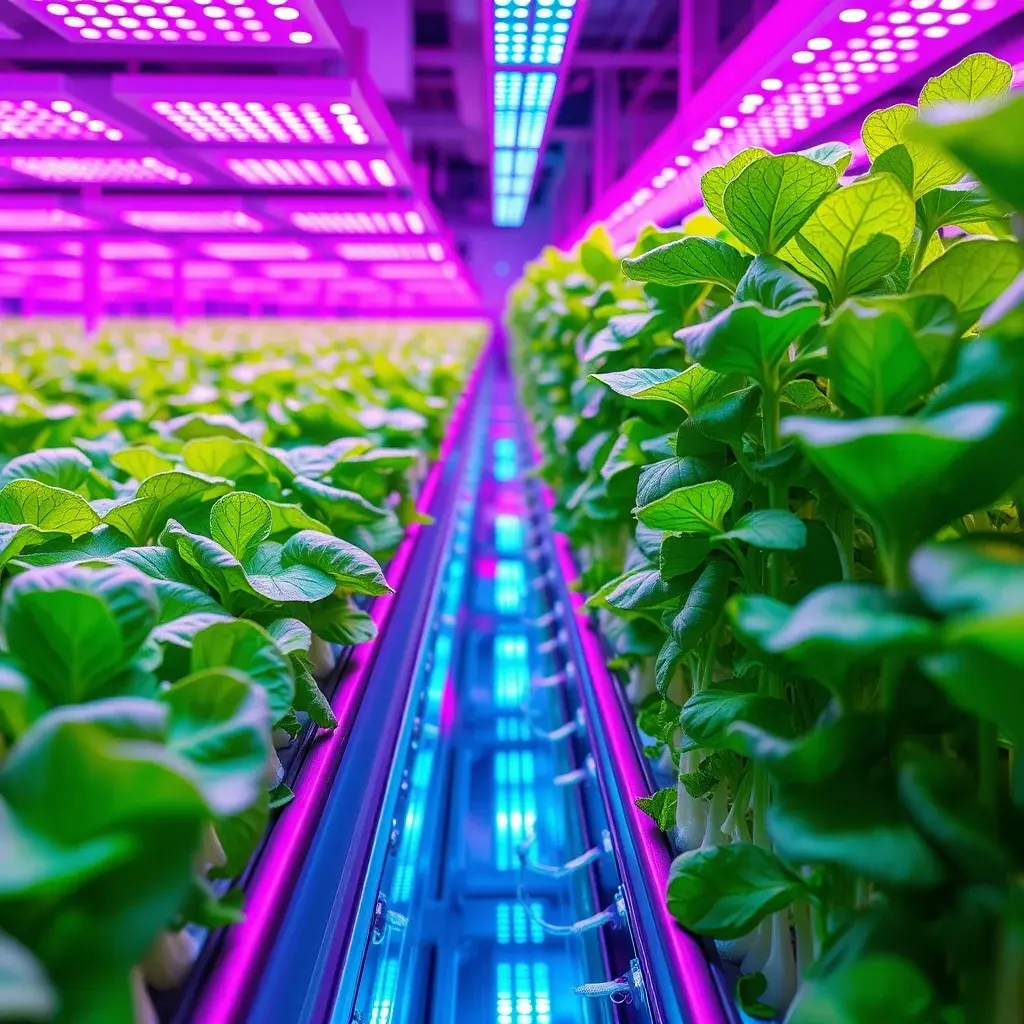
- Full-spectrum LED grow lights.
- pH testing kit and adjustment liquids.
**Mixing Your First Nutrient Solution**
Tap water alone will not keep your plants alive. You need to add specific mineral nutrients designed for soilless gardens. Follow the instructions on your plant food bottle carefully.
Always check your water pH levels after mixing. Most plants prefer a slightly acidic balance between 5.5 and 6.5. If the pH is off, your plants cannot drink the food, even if it is right there in the water.
**Lighting and Climate Control**
Indoor plants need the right amount of light and fresh air to thrive. Most leafy greens and herbs need about 12 to 16 hours of light each day. LED grow lights are popular because they do not give off too much heat.
Keep your growing area at a comfortable room temperature. Stagnant air invites mold, so place a small oscillating fan nearby to keep air moving gently across your leaves.
**Common Beginner Mistakes**
New growers often make simple errors that hurt their plants. Watch out for these common issues:
- Adding too much plant food, which burns the roots.
- Ignoring water temperature and letting it get too warm.
- Failing to check pH levels regularly.
- Using cheap lights that lack proper spectrum coverage.
You can find more tools and gear reviews at earnstools.com to help build your setup correctly.
**Key Takeaways**
- Hydroponics lets plants grow fast in nutrient-rich water instead of dirt.
- Deep Water Culture is the easiest system for beginners.
- Keep a close eye on your water pH and nutrient strength.
- Invest in good LED grow lights for healthy indoor crops.
**Frequently Asked Questions**
**Do hydroponic plants taste different from soil-grown plants?**
No, they taste just as fresh and often better because they receive a steady, perfect supply of nutrients.
**Can I use regular tap water?**
Yes, but let it sit out for 24 hours first so the chlorine can evaporate, or use a basic water filter.
**How often should I change the water?**
You should completely change your nutrient solution every two weeks to prevent mineral buildup and root rot.
**Do I need sunlight for an indoor system?**
No, artificial LED grow lights work much better because you can control the intensity and timing easily.
**Is indoor soilless growing expensive to start?**
Basic DIY kits can cost very little, while automated commercial setups cost much more.
**Why are my plant leaves turning yellow?**
Yellow leaves usually mean your pH is wrong, or your plants are lacking nitrogen in the water.
**Conclusion**
Starting with hydroponics is a fun project that rewards you with fresh herbs and vegetables year-round. Keep your setup clean, check your water often, and enjoy watching your indoor garden thrive.
Suggested Internal Link Opportunities:
- Indoor Herb Garden Basics
- Best LED Grow Lights for Beginners
Suggested External Authority Sources:
- USDA Agricultural Research Service (usda.gov)
- University of Arizona Controlled Environment Agriculture Center (cals.arizona.edu)